
Dyslexia
A specific reading disability. Letters and words don't process the way they do for other children, and "reading more" doesn't fix it. The accommodations and supports for dyslexia are very different from "you need to try harder."
Dyslexia, dysgraphia, dyscalculia · Calgary
If reading, writing, or math feel harder than they should , there’s usually a specific reason. Dyslexia, dysgraphia, and dyscalculia are diagnosed through a thorough psychoeducational assessment. About 12–14 hours of work, billed hourly, so you only pay for what gets done.
If any of this sounds familiar
You’re in the right place. There’s almost always a specific reason, and a specific name for what’s getting in the way.
Is reading still really hard by grade 3, even with extra practice at home?
Is your child bright in conversation, but math feels impossible on the page?
Have you been told "give it more time" for two years now, with nothing actually shifting?
Three specific patterns
“Learning disability” is the umbrella term. Underneath it are three specific patterns, each with its own profile, and each with its own set of accommodations that actually help. Knowing which one your child is dealing with changes what works.
A specific reading disability. Letters and words don't process the way they do for other children, and "reading more" doesn't fix it. The accommodations and supports for dyslexia are very different from "you need to try harder."
A specific writing disability. Handwriting, written expression, getting ideas from head to paper, these are the things that take ten times longer than they should. Often missed, because the child can talk through the same idea fluently.
A specific math disability. Number sense, math facts, multi-step problems. Often the last LD to be flagged, math gets meaningfully harder around grade 4–5, which is usually when families start asking the question.
Learning disabilities are specific patterns, not “your child is behind” or “your child isn’t trying hard enough.”
The path forward
A specific LD diagnosis requires looking at cognitive ability and academic performance side by side, that’s exactly what a psychoed does. The intake call is where we figure out whether your child’s pattern points to a specific learning disability, or whether something else is going on.
The full process
The same assessment that diagnoses dyslexia, dysgraphia, and dyscalculia is the one that captures the cognitive context, the academic profile, and the specific accommodations the school can actually act on.
Learn more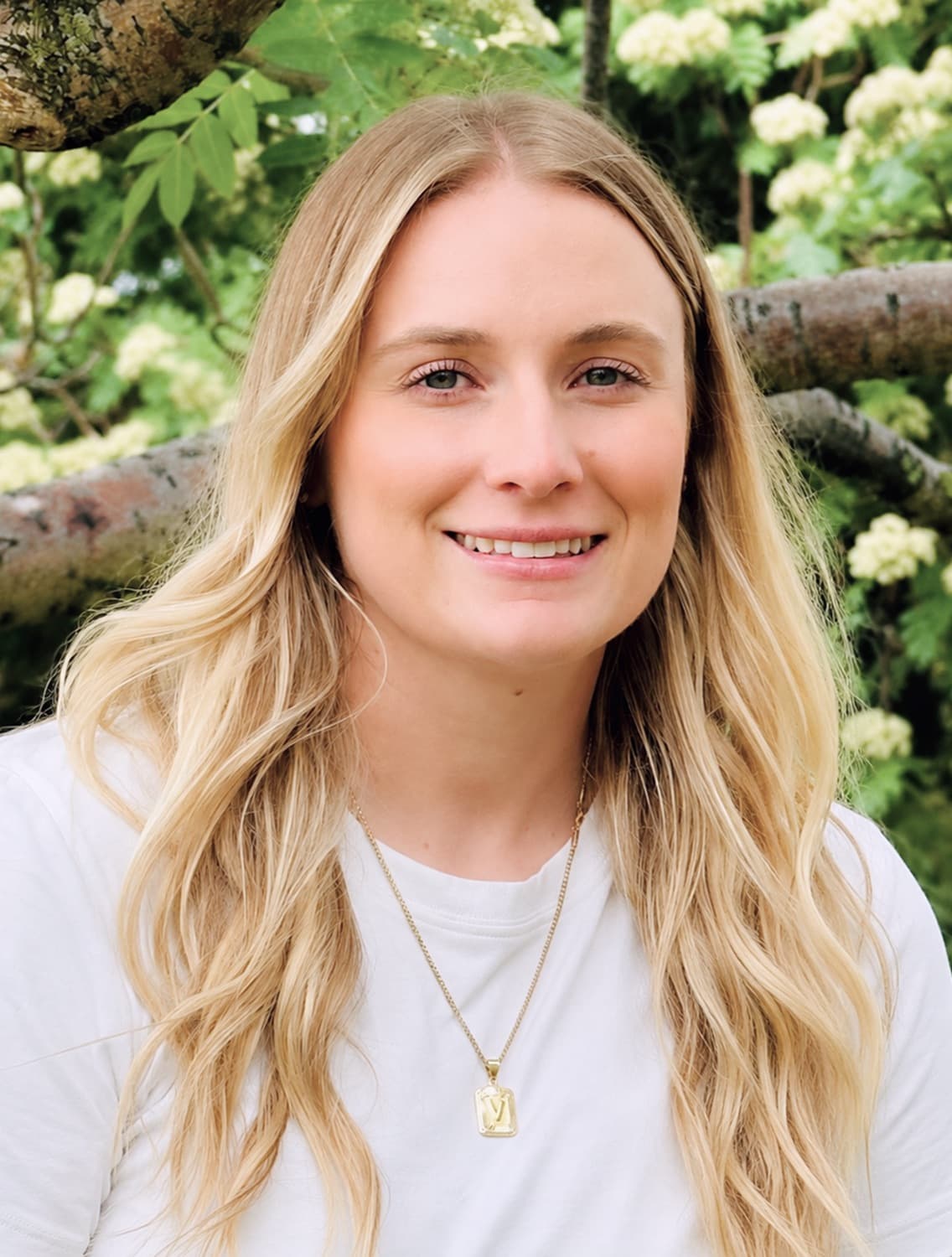
About Vanessa
“I’m Vanessa. I’m a registered psychologist in Alberta, and I built Bench because I wanted to do assessment work the way it should be done: patiently, in plain language, and in a setting that doesn’t make children feel like they’re being studied. My master’s at the University of Calgary was three years focused on one thing: assessment. Since 2022 I’ve worked with Calgary school boards and with families from every income tier. I wear hoodies to work. I work in two-hour blocks because that’s how a child actually sits. There’s candy on the desk.”
Vanessa Rankin, M.Ed., R. Psych. · More about Vanessa →
Frequently asked
The questions that come up most often when parents are wondering whether a learning disability is what they’re seeing, covered here so you can read them before the intake.
When you’re ready
An intake is a 1-hour video call. You tell me what you’re seeing: the reading, the writing, the math, whatever’s been hard. I’ll listen, ask questions, and tell you whether a learning disability is what fits, or whether something else makes more sense to look at. You’ll leave the call with a real plan, not a pitch.
The intake is the first hour of the assessment, billed at $240. A free 15-minute consult call or email is always an option first.