

Two-hour blocks.
Split across separate visits where possible. Built around how a child can actually focus — no marathon days.
What to expect
An honest look at what happens — for you and for your child — from the first conversation to the written report. No mystery, no jargon, just a clear picture of what the next several weeks will look like.

01
Before the appointment
A 1-hour video call. No clinical interview, no checklist — just a real conversation about what you’ve been seeing and what might actually help.
What you’ve been noticing — at home, in homework, in how they’re talking about school.
What the school has been saying, and what they’ve already tried.
Any prior reports, IPPs, doctor’s notes, or report cards you’ve gathered.
What we’d actually look at — and what your specific range will cost.
If something else turns out to be the better fit — a pediatrician, a counsellor, a speech-language pathologist, or no assessment at all right now — I’ll tell you. The intake isn’t a pitch. It’s fit-finding for both of us.
What to tell your child before the call
For younger children: “We’re going to talk to someone who helps figure out how your brain learns best.” For older children and teens: the honest version — that we’re trying to understand what’s getting in the way at school, and that what comes out of this could change things for them. On the first day we’ll talk about what they want to call this and what they want shared with whom. They get a say in their own assessment.
02
Testing day
Testing happens in two-hour blocks, in person. Not one long day. For a full psychoeducational assessment, that’s usually two visits a few days apart. Gifted assessments are a single two-hour block. ADHD assessments land in between, and include rating-scale forms you and the teacher fill out separately.
The space doesn’t look like a doctor’s office. There’s a desk, a couple of chairs, water, candy on the table, an iPad for breaks. I wear hoodies. We talk for a few minutes before any task starts — about school, what they’re into, whether they want music on or off, whether they want the door open or closed. The instruments themselves are the same ones any psychologist would use. The room just reads differently.
Some children find it hard work, especially toward the end of the second block — that’s normal. There are breaks built in. There’s a snack. If your child needs to stand up, walk around, or take a longer break than I planned, we do that. Good data needs a child who’s not running on empty.
Teens get a teen-appropriate setup — same warmth, no infantilising visuals, no juice-box energy. They get a heads-up about each task before we start it, and they get to ask questions about what we’re measuring and why.
A few small design choices that make a real difference in how a child sits through this kind of work.
Split across separate visits where possible. Built around how a child can actually focus — no marathon days.
Something tactile and sweet within reach. A small thing that takes the pressure off.
Casual on purpose. Children relax faster when no one’s performing authority.
When they need a few minutes to switch off, they switch off. Then we come back.
“Good data depends on a child who’s not running on empty. The whole day is built around that.”
First 5 minutes
Settle in
Saying hi, picking a snack, picking music if they want it. A quick chat about how school’s been. Your child sees the desk, the iPad, where the candy is.
~45 minutes
First task block
A mix of paper-and-pencil tasks, conversation-format questions, and some screen-based tasks. Nothing is timed in a stressful way; your child is told before each task what’s coming and what we’re doing.
10–15 minutes
Break
Bathroom, snack, iPad. They don’t have to do anything during the break. If they want to talk, we talk; if they want quiet, we have quiet.
~45 minutes
Second task block
A different format from the first. If the first half was academic, the second usually shifts to cognitive or memory work. We move what’s mentally heaviest around to keep them fresh.
Last few minutes
Wrap
A quick check-in about how it went. They pick something from the candy bowl on their way out. If we have a second block scheduled, we confirm the day.
While testing is happening
You can wait nearby or come back at the end of the block — both work. Some parents drop off and run errands; some stay close by. Either way, I’ll text or call you if anything comes up.
03
After testing
I score the data on my end and — where it’s part of the picture — send a brief email to your child’s teacher for their perspective. You’re not waiting on anything during this stretch; I’ll reach out when we’re ready for the feedback call.
After the last block
I walk you through what came up — strengths, challenges, what the data says, what it doesn’t, and whether a diagnosis applies. You’ll get the headline answer here, before the written document arrives. Plenty of room to ask things, push back, and ask me to say something a different way.
1-hour video call · ~3–4 weeks after testing
Plain language, specific accommodations the data actually supports, written so the educators reading it — for an IPP under CBE, or a Learning Support Plan under Calgary Catholic — can use it directly. The school still makes the final call on what gets put in place. But the report is written for the people who’ll read it.
~1 week after the feedback call
The whole point is to remove as many surprises as possible — for your child, and for you.
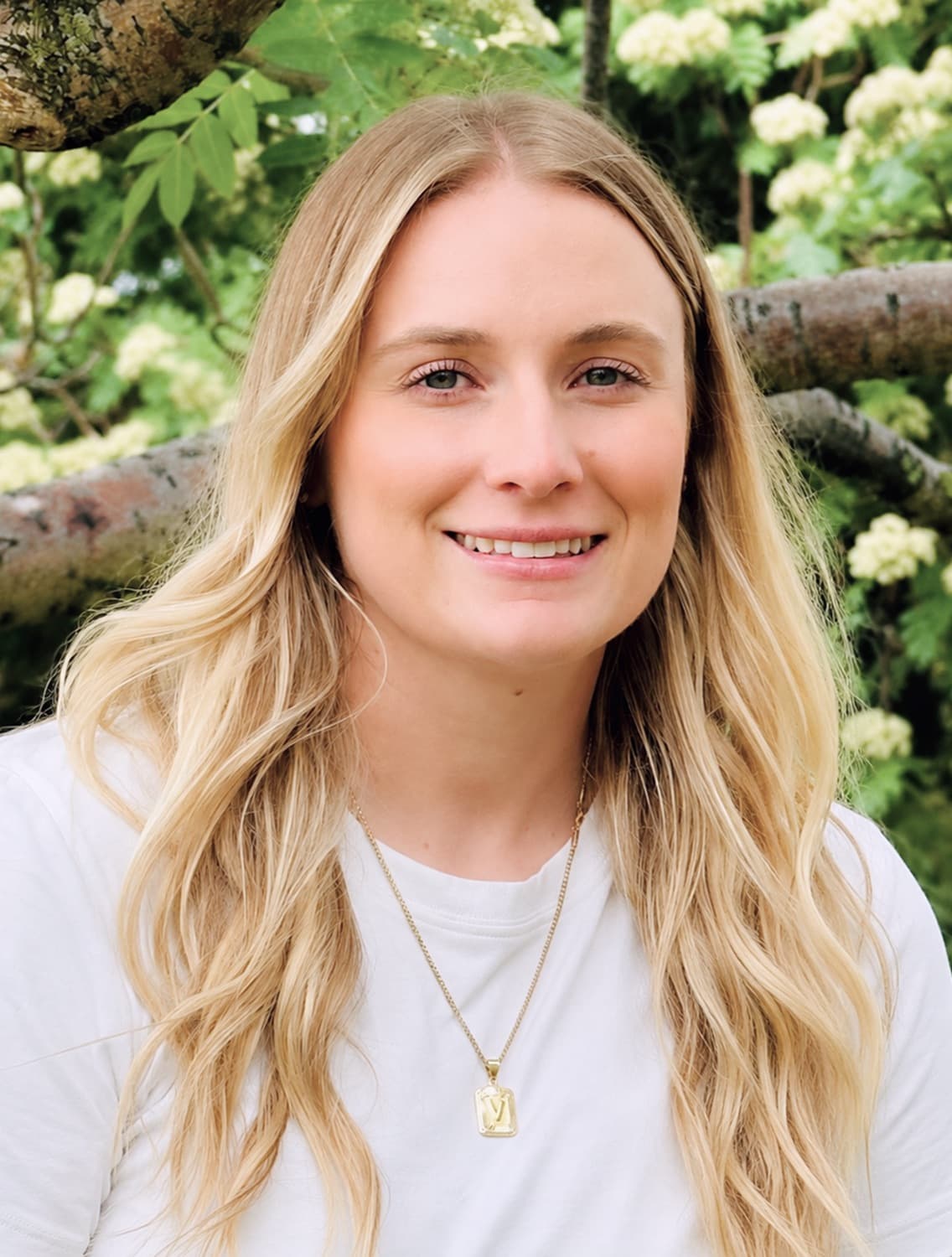
About Vanessa
“I’m Vanessa. I’m a registered psychologist in Alberta, and I built Bench because I wanted to do assessment work the way it should be done: patiently, in plain language, and in a setting that doesn’t make children feel like they’re being studied. My master’s at the University of Calgary was three years focused on one thing: assessment. Since 2022 I’ve worked with Calgary school boards and with families from every income tier. I wear hoodies to work. I work in two-hour blocks because that’s how a child actually sits. There’s candy on the desk.”
Vanessa Rankin, M.Ed., R. Psych. · More about Vanessa →
Logistics
Things you’ll want to know before booking. If something isn’t here, the intake call is exactly the place to ask.
When you’re ready
An intake is a 1-hour video call (30 minutes in person for gifted assessments). You tell me what you’ve been seeing. I’ll tell you whether the assessment that fits is a full psychoed, a gifted-only assessment, an ADHD assessment, or something else — and if none of them fit, I’ll tell you that too. You’ll leave the call with more clarity than you came in with.
The intake is the first hour of the assessment, billed at $240 — a free 15-minute consult call or email first is always an option.